


Hey there! As a supplier of Stackable Lithium Batteries, I've gotten a ton of questions about the optimal temperature range for these power - packed devices. So, I thought I'd dive deep into this topic and share what I know.
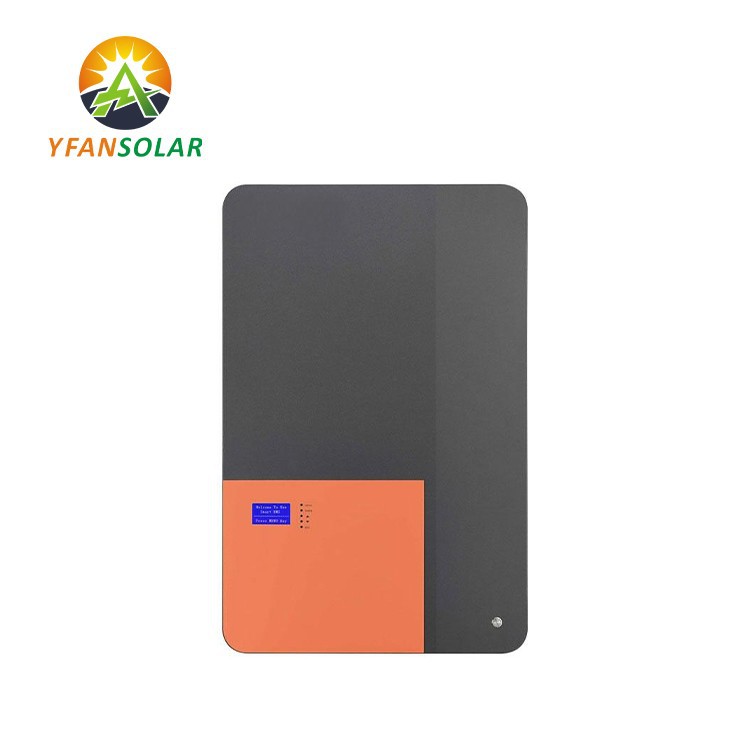
First off, let's talk a bit about stackable lithium batteries. These bad boys are super popular because they're flexible, efficient, and can be easily expanded by stacking multiple units. They're used in all sorts of applications, from home energy storage to off - grid solar setups. We offer a great range of these batteries on our website, and you can check them out here: Stackable Lithium Battery.
Now, onto the main topic: temperature. Temperature plays a crucial role in the performance, lifespan, and safety of stackable lithium batteries. Lithium batteries are sensitive to extreme temperatures, both hot and cold.
The Impact of High Temperatures
When the temperature gets too high, it's like throwing a wrench into the battery's internal workings. High temperatures can speed up the chemical reactions inside the battery. This might sound like a good thing at first, but it actually leads to a faster degradation of the battery's components.
For instance, the electrolyte, which is a key part of the battery that allows ions to move between the electrodes, can start to break down at high temperatures. This breakdown can cause a build - up of resistance within the battery, reducing its efficiency. You'll notice that the battery doesn't hold as much charge as it used to, and it might discharge more quickly.
Moreover, high temperatures can also cause the battery to overheat, which is a serious safety concern. Overheating can lead to thermal runaway, a situation where the battery's temperature rises uncontrollably, potentially resulting in fire or explosion. Yikes!
So, what's the upper limit? Generally, for most stackable lithium batteries, the temperature should be kept below 60°C (140°F). However, for long - term and optimal performance, it's better to keep the operating temperature in the range of 20°C - 40°C (68°F - 104°F).
The Effects of Low Temperatures
On the flip side, cold temperatures can also cause problems. When it's cold, the chemical reactions inside the battery slow down. This means that the battery has a harder time releasing and accepting charge. You might find that your battery's capacity drops significantly in cold weather.
For example, if you're using a stackable lithium battery in an outdoor solar system during the winter, you'll notice that it doesn't provide as much power as it does in the summer. The lower the temperature, the more pronounced this effect becomes.
In extreme cold, below - 20°C (- 4°F), the battery might even stop working altogether. The electrolyte can freeze, which blocks the movement of ions and prevents the battery from functioning.
So, for optimal performance in cold conditions, it's recommended to keep the battery at a temperature above 0°C (32°F). But again, the sweet spot for long - term use is still that 20°C - 40°C (68°F - 104°F) range.
Maintaining the Optimal Temperature
Now that we know the optimal temperature range, how do we keep our stackable lithium batteries within it? Well, there are a few things you can do.
If you're using the batteries in a stationary setup, like a home energy storage system, you can install them in a climate - controlled environment. This could be a well - insulated shed or a room with heating and cooling systems.

For outdoor applications, you can use thermal insulation to protect the batteries from extreme temperatures. There are also battery management systems (BMS) available that can monitor the battery's temperature and take steps to keep it within the optimal range. Some BMS can even adjust the charging and discharging rates based on the temperature to prevent damage.
Our Product Range
At our company, we offer a variety of stackable lithium batteries that are designed to perform well within the optimal temperature range. We also have related products like Lithium Phosphate Inverter Battery and Wall Mount Lithium Battery. These products are built with high - quality materials and advanced technology to ensure reliable performance in different temperature conditions.
Conclusion
In conclusion, the optimal temperature range for stackable lithium batteries is generally between 20°C - 40°C (68°F - 104°F). Staying within this range helps to ensure the battery's performance, lifespan, and safety. Whether you're using the batteries for home energy storage, an off - grid system, or something else, it's important to pay attention to the temperature.

If you're interested in purchasing stackable lithium batteries or any of our other products, don't hesitate to reach out. We're here to help you find the right battery solution for your needs. Let's have a chat about your requirements and see how we can work together to power your projects!
References
- Linden, D., & Reddy, T. B. (2002). Handbook of Batteries. McGraw - Hill.
- Bandhauer, T. M., Garimella, S., & Fuller, T. F. (2011). A critical review of thermal issues in lithium - ion batteries. Journal of Power Sources, 196(1), 3318 - 3330.


