


In the realm of power electronics, pure sine wave inverters have emerged as a crucial component for a wide range of applications, from residential to industrial settings. As a trusted supplier of pure sine wave inverters, I've encountered numerous inquiries regarding the isolation level of these devices. In this blog post, I'll delve into the concept of isolation levels in pure sine wave inverters, explaining what they are, why they matter, and how they impact the performance and safety of your electrical systems.
Understanding Isolation in Pure Sine Wave Inverters
Isolation in a pure sine wave inverter refers to the physical and electrical separation between the input and output circuits of the device. This separation is achieved through the use of transformers or other isolation techniques, which prevent direct electrical connection between the two circuits. The primary purpose of isolation is to protect users and equipment from electrical hazards, such as electric shock and short circuits, while also improving the quality of the power output.
There are two main types of isolation commonly used in pure sine wave inverters: galvanic isolation and capacitive isolation.
Galvanic Isolation
Galvanic isolation is the most common type of isolation used in pure sine wave inverters. It involves the use of a transformer to create a physical separation between the input and output circuits. The transformer consists of two or more coils of wire wound around a common core. When an alternating current (AC) flows through the primary coil, it creates a magnetic field that induces a voltage in the secondary coil. Because there is no direct electrical connection between the primary and secondary coils, galvanic isolation effectively prevents the flow of direct current (DC) and electrical noise between the input and output circuits.
Galvanic isolation offers several advantages, including:
- Electrical Safety: By separating the input and output circuits, galvanic isolation reduces the risk of electric shock and short circuits, making the inverter safer to use.
- Noise Reduction: Galvanic isolation helps to reduce electrical noise and interference, resulting in a cleaner and more stable power output.
- Voltage Transformation: Transformers can also be used to step up or step down the voltage, allowing the inverter to convert the input voltage to the desired output voltage.
Capacitive Isolation
Capacitive isolation is another type of isolation used in some pure sine wave inverters. It involves the use of a capacitor to create a high-impedance path between the input and output circuits. Capacitive isolation is typically used in applications where space is limited or where a lower cost isolation solution is required.
Capacitive isolation offers several advantages, including:
- Compact Size: Capacitors are smaller and lighter than transformers, making them ideal for applications where space is limited.
- Low Cost: Capacitive isolation is generally less expensive than galvanic isolation, making it a cost-effective solution for some applications.
- High Frequency Performance: Capacitive isolation can provide better high-frequency performance than galvanic isolation, making it suitable for applications where high-speed data transfer is required.
Importance of Isolation in Pure Sine Wave Inverters
The isolation level of a pure sine wave inverter plays a crucial role in ensuring the safety and performance of your electrical systems. Here are some of the key reasons why isolation is important:
Electrical Safety
One of the primary reasons for using isolation in a pure sine wave inverter is to protect users and equipment from electrical hazards. By separating the input and output circuits, isolation reduces the risk of electric shock and short circuits, making the inverter safer to use. This is especially important in applications where the inverter is used in close proximity to people or sensitive equipment.
Noise Reduction
Isolation also helps to reduce electrical noise and interference, resulting in a cleaner and more stable power output. Electrical noise can cause a variety of problems, including equipment malfunctions, data errors, and interference with radio and television signals. By using an isolated pure sine wave inverter, you can minimize the impact of electrical noise on your equipment and ensure reliable operation.
Compatibility with Sensitive Equipment
Many modern electronic devices, such as computers, televisions, and medical equipment, are sensitive to electrical noise and fluctuations in the power supply. An isolated pure sine wave inverter can provide a clean and stable power output that is compatible with these sensitive devices, reducing the risk of damage and ensuring optimal performance.

Compliance with Electrical Codes and Standards
In many countries, electrical codes and standards require the use of isolated power supplies in certain applications. By using an isolated pure sine wave inverter, you can ensure compliance with these codes and standards, avoiding potential legal issues and ensuring the safety of your electrical systems.
Factors Affecting the Isolation Level of a Pure Sine Wave Inverter
The isolation level of a pure sine wave inverter can be affected by several factors, including:
- Transformer Design: The design of the transformer used in the inverter can have a significant impact on the isolation level. Factors such as the number of turns in the coils, the type of core material, and the quality of the insulation can all affect the performance of the transformer and the level of isolation provided.
- Capacitor Selection: If the inverter uses capacitive isolation, the selection of the capacitor can also affect the isolation level. Factors such as the capacitance value, the voltage rating, and the quality of the dielectric material can all affect the performance of the capacitor and the level of isolation provided.
- Operating Conditions: The operating conditions of the inverter, such as the temperature, humidity, and voltage fluctuations, can also affect the isolation level. High temperatures, for example, can cause the insulation material in the transformer to degrade, reducing the level of isolation provided.
Choosing the Right Isolation Level for Your Application
When choosing a pure sine wave inverter, it's important to consider the specific requirements of your application and choose an inverter with an appropriate isolation level. Here are some factors to consider:
- Application Requirements: The type of application you're using the inverter for will determine the level of isolation required. For example, applications where the inverter is used in close proximity to people or sensitive equipment may require a higher level of isolation than applications where the inverter is used in a more industrial setting.
- Electrical Codes and Standards: As mentioned earlier, many countries have electrical codes and standards that require the use of isolated power supplies in certain applications. Make sure to check the local electrical codes and standards to ensure compliance.
- Budget: The level of isolation provided by an inverter can affect its cost. In general, inverters with a higher level of isolation are more expensive than inverters with a lower level of isolation. Consider your budget when choosing an inverter and choose the level of isolation that provides the best balance between performance and cost.
Our Range of Pure Sine Wave Inverters
As a leading supplier of pure sine wave inverters, we offer a wide range of products with different isolation levels and power ratings to meet the needs of various applications. Our inverters are designed and manufactured to the highest standards of quality and reliability, ensuring optimal performance and long service life.
Some of our popular products include:
- 1000w Pure Sine Wave Inverter: This inverter is suitable for small to medium-sized applications, such as powering a laptop, a television, or a small refrigerator. It provides a clean and stable power output that is compatible with sensitive electronic devices.
- 3kw Pure Sine Wave Inverter 12v: This inverter is designed for larger applications, such as powering a home or a small business. It can handle high loads and provides a reliable power supply even in challenging environments.
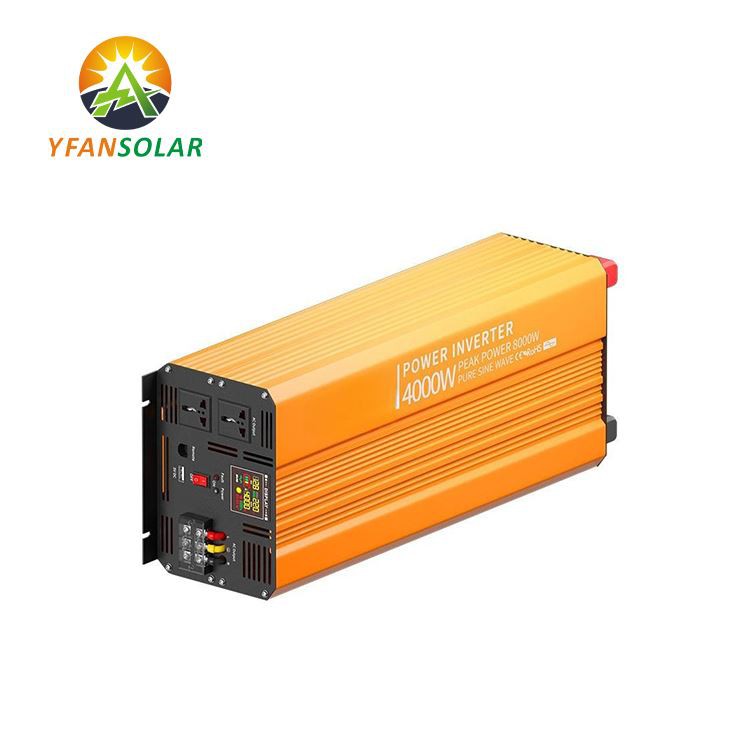
- 4kw Pure Sine Wave Inverter: This inverter is ideal for industrial applications, such as powering heavy machinery and equipment. It offers a high level of isolation and a robust design that can withstand the rigors of industrial use.
Conclusion
In conclusion, the isolation level of a pure sine wave inverter is an important factor to consider when choosing an inverter for your application. Isolation provides several benefits, including electrical safety, noise reduction, compatibility with sensitive equipment, and compliance with electrical codes and standards. By understanding the concept of isolation and the factors that affect the isolation level of an inverter, you can choose the right inverter for your needs and ensure reliable operation of your electrical systems.
If you have any questions or need further information about our pure sine wave inverters, please feel free to contact us. Our team of experts is always available to assist you with your power requirements and help you find the best solution for your application. We look forward to the opportunity to discuss your procurement needs and work together to meet your goals.
References
- Mohan, N., Undeland, T. M., & Robbins, W. P. (2012). Power Electronics: Converters, Applications, and Design. Wiley.
- Rashid, M. H. (2011). Power Electronics: Circuits, Devices, and Applications. Pearson.
- Erickson, R. W., & Maksimović, D. (2001). Fundamentals of Power Electronics. Springer.


