


Troubleshooting a portable power station that isn't working properly can be a frustrating experience, especially when you rely on it for various power needs, whether it's for camping, emergency backup, or powering small appliances on the go. As a supplier of portable power stations, I've encountered numerous issues over the years and have developed a comprehensive guide to help you diagnose and fix common problems.
Check the Basics
The first step in troubleshooting any device is to check the most basic elements. Start by ensuring that the power station is properly connected to a power source. If it's a rechargeable power station, plug it into a working electrical outlet using the provided charger. Make sure the connection is secure and that there are no loose wires or damaged plugs.
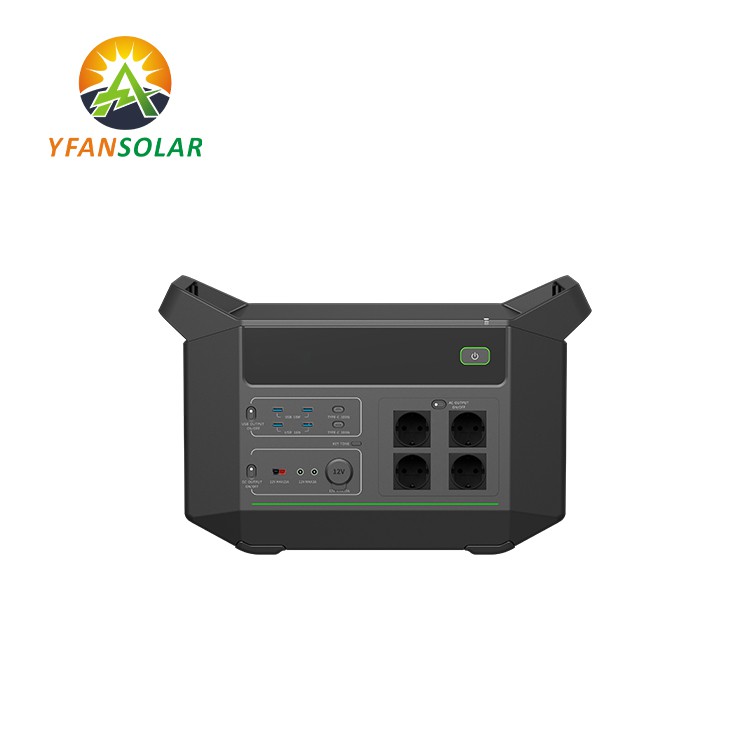
Next, check the power switch on the power station. Sometimes, the switch may have been accidentally turned off. Flip the switch to the "on" position and see if the power station powers up. If it doesn't, try pressing any other buttons or controls on the unit to see if they respond.

Inspect the Battery
The battery is the heart of a portable power station, and issues with the battery can often cause the unit to malfunction. Check the battery level indicator on the power station. If the battery is completely depleted, recharge it using the charger. If the battery level indicator shows that the battery is charged but the power station still isn't working, there may be a problem with the battery itself.
One common issue with portable power station batteries is overheating. If the battery feels hot to the touch, it may be overheating. This can be caused by a variety of factors, including overcharging, using the power station in a hot environment, or a faulty battery. Allow the battery to cool down before attempting to use the power station again. If the overheating problem persists, it may be necessary to replace the battery.
Another issue with batteries is sulfation, which occurs when lead-acid batteries are left in a discharged state for an extended period. This can cause the battery to lose its ability to hold a charge. If you suspect sulfation, you can try using a battery desulfator to restore the battery's performance. However, if the battery is severely sulfated, it may need to be replaced.
For those looking for a reliable battery option, our Portable Lithium Battery Pack for Camping is a great choice. It offers high energy density, long cycle life, and is lightweight, making it ideal for outdoor use.
Examine the Inverter
The inverter is responsible for converting the DC power from the battery into AC power, which is used to power most household appliances. If the power station is not providing AC power, there may be a problem with the inverter.
Check the inverter's indicator lights. If the lights are not illuminated, it may indicate that the inverter is not receiving power from the battery. Make sure the battery is charged and properly connected to the inverter. If the lights are illuminated but the inverter is not producing AC power, there may be a problem with the inverter itself.
Some inverters have a built-in protection mechanism that will shut off the inverter if it detects an overload or a short circuit. Check the inverter's user manual to see if this is the case. If the inverter has shut off due to an overload or short circuit, you may need to reduce the load on the power station or check for any faulty appliances that may be causing the problem.
Look for Loose Connections
Over time, the connections inside the power station can become loose, which can cause intermittent power problems. Open the power station's case (if possible) and check for any loose wires or connections. Make sure all the wires are securely plugged into their respective terminals.
If you find any loose connections, carefully tighten them using a screwdriver or pliers. Be careful not to overtighten the connections, as this can damage the terminals.
Check for Faulty Components
If you've checked all the above steps and the power station still isn't working, there may be a faulty component inside the unit. This could include the battery, inverter, charger, or other electronic components.
At this point, it may be necessary to seek professional help. You can contact the manufacturer's customer support or take the power station to a qualified technician for repair. If the power station is still under warranty, the manufacturer may be able to repair or replace the unit for free.
Consider the Environment
The environment in which the power station is used can also affect its performance. Extreme temperatures, humidity, and dust can all cause problems for portable power stations.
If you're using the power station in a hot environment, make sure it has adequate ventilation to prevent overheating. If the environment is humid, try to keep the power station dry to prevent corrosion. If the power station is exposed to dust, clean it regularly to prevent dust buildup, which can cause electrical problems.
Our High-Quality Components
We also offer high-quality battery cells, such as the 3.2 V 200ah Lithium Iron Phosphate Rechargeable Prismatic Cell. These cells are known for their safety, long cycle life, and high performance, making them an excellent choice for portable power stations.
Conclusion
Troubleshooting a portable power station that isn't working properly can be a step-by-step process. By checking the basics, inspecting the battery, inverter, and connections, and considering the environment, you can often identify and fix the problem. If you're still having trouble, don't hesitate to reach out for professional help.
As a supplier of portable power stations, we're committed to providing high-quality products and excellent customer service. If you're in the market for a new portable power station or need replacement parts, we'd love to help. Contact us to discuss your specific needs and start a procurement conversation. We're confident that we can provide you with the right solution for your power requirements.
References
- Various user manuals of portable power stations
- Industry knowledge and experience in the portable power station field


