


Ventilation in ride-friendly luggage is a crucial aspect that often goes unnoticed but plays a significant role in enhancing the overall user experience. As a leading supplier of Ride-Friendly Luggage, we understand the importance of ventilation and how it contributes to the functionality and comfort of our products. In this blog post, we will delve into the science behind ventilation in ride-friendly luggage and explore how it works to keep your belongings fresh and your journey enjoyable.
The Importance of Ventilation in Ride-Friendly Luggage
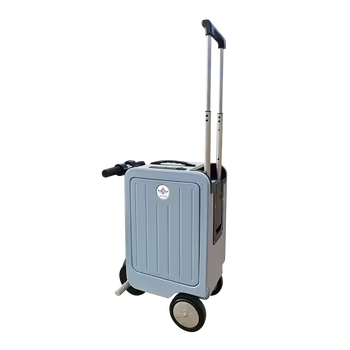
Ride-friendly luggage, such as the ALIOTOP Mini Stylish Electric Ride-On Luggage, Easy-to-Operate Intelligent Short-Trip Riding Suitcase, and Suitcase To Ride On, is designed to provide convenience and mobility during travel. However, the enclosed space of a suitcase can create a breeding ground for moisture, odors, and bacteria, especially when traveling in humid or warm environments. Ventilation helps to address these issues by allowing air to circulate inside the luggage, preventing the buildup of moisture and reducing the risk of unpleasant odors.
In addition to keeping your belongings fresh, proper ventilation also helps to protect the structural integrity of the luggage. Moisture can cause the materials to weaken and deteriorate over time, leading to damage and a shorter lifespan for your luggage. By promoting air circulation, ventilation helps to keep the interior of the luggage dry and prevents the growth of mold and mildew, which can further damage the contents of the suitcase.
How Ventilation Systems Work in Ride-Friendly Luggage
There are several different types of ventilation systems used in ride-friendly luggage, each with its own unique design and functionality. The most common types of ventilation systems include passive ventilation, active ventilation, and hybrid ventilation.
Passive Ventilation
Passive ventilation is the simplest and most common type of ventilation system used in ride-friendly luggage. It relies on natural air movement to circulate air inside the suitcase. Passive ventilation systems typically consist of small vents or perforations in the sides or bottom of the luggage, which allow air to enter and exit the suitcase. As the luggage moves, air is drawn in through the vents and circulated inside the suitcase, helping to remove moisture and odors.
One of the advantages of passive ventilation is its simplicity and low cost. It does not require any additional power or mechanical components, making it a reliable and energy-efficient option for ride-friendly luggage. However, passive ventilation systems may not be as effective in areas with low air movement or in situations where the luggage is packed tightly, as the air circulation may be restricted.
Active Ventilation
Active ventilation systems use a fan or other mechanical device to actively circulate air inside the luggage. These systems are typically more effective than passive ventilation systems, as they can provide a more consistent and powerful airflow. Active ventilation systems may be powered by batteries or by the electrical system of the ride-friendly luggage itself.
One of the advantages of active ventilation is its ability to provide a higher level of ventilation, even in areas with low air movement or in situations where the luggage is packed tightly. However, active ventilation systems are typically more complex and expensive than passive ventilation systems, and they may require additional maintenance and power sources.
Hybrid Ventilation
Hybrid ventilation systems combine the features of passive and active ventilation systems to provide the best of both worlds. These systems typically use a combination of natural air movement and a fan or other mechanical device to circulate air inside the luggage. Hybrid ventilation systems can provide a more consistent and powerful airflow than passive ventilation systems, while also being more energy-efficient and reliable than active ventilation systems.
One of the advantages of hybrid ventilation is its ability to provide a high level of ventilation while also being energy-efficient and reliable. However, hybrid ventilation systems are typically more complex and expensive than passive ventilation systems, and they may require additional maintenance and power sources.
Factors Affecting Ventilation in Ride-Friendly Luggage
Several factors can affect the effectiveness of ventilation in ride-friendly luggage. These factors include the design of the ventilation system, the materials used in the luggage, the packing density of the luggage, and the environmental conditions during travel.
Design of the Ventilation System
The design of the ventilation system plays a crucial role in its effectiveness. A well-designed ventilation system should provide a sufficient amount of airflow to circulate air inside the luggage, while also preventing the entry of dust, dirt, and other contaminants. The size, location, and number of vents or perforations in the luggage can also affect the airflow and ventilation efficiency.
Materials Used in the Luggage
The materials used in the luggage can also affect the ventilation efficiency. Some materials, such as nylon and polyester, are more breathable than others, such as leather and vinyl. Luggage made from breathable materials can allow air to circulate more easily inside the suitcase, helping to improve ventilation. Additionally, the lining of the luggage can also affect the ventilation efficiency. A lining made from a breathable material, such as mesh or cotton, can help to improve air circulation and reduce the buildup of moisture and odors.
Packing Density of the Luggage
The packing density of the luggage can also affect the ventilation efficiency. If the luggage is packed too tightly, the air circulation may be restricted, reducing the effectiveness of the ventilation system. To ensure proper ventilation, it is important to pack the luggage loosely and to leave some space for air to circulate. Additionally, it is recommended to avoid packing items that are prone to producing moisture or odors, such as wet clothes or food, in the same compartment as other items.
Environmental Conditions During Travel
The environmental conditions during travel can also affect the ventilation efficiency. In humid or warm environments, the air may contain more moisture, which can increase the risk of moisture buildup and odors inside the luggage. In these situations, it is important to use a ventilation system that is designed to handle high humidity levels and to take additional precautions to prevent moisture from entering the luggage, such as using a waterproof cover or packing moisture-absorbing materials.
Tips for Maintaining Ventilation in Ride-Friendly Luggage
To ensure the effectiveness of the ventilation system in your ride-friendly luggage, it is important to follow these tips:
- Keep the vents clean: Regularly clean the vents or perforations in the luggage to prevent the buildup of dust, dirt, and other contaminants. Use a soft brush or a vacuum cleaner to remove any debris from the vents.
- Avoid overpacking the luggage: Pack the luggage loosely and leave some space for air to circulate. Avoid packing items that are prone to producing moisture or odors, such as wet clothes or food, in the same compartment as other items.
- Use moisture-absorbing materials: Place moisture-absorbing materials, such as silica gel packets or activated charcoal, inside the luggage to help absorb moisture and reduce the risk of odors.
- Store the luggage in a dry place: When not in use, store the luggage in a dry place to prevent the buildup of moisture and odors. Avoid storing the luggage in a damp basement or garage.
- Check the ventilation system regularly: Periodically check the ventilation system to ensure that it is working properly. If you notice any issues with the ventilation system, such as a reduced airflow or a strange odor, contact the manufacturer or a professional luggage repair service for assistance.
Conclusion
Ventilation is a crucial aspect of ride-friendly luggage that plays a significant role in enhancing the overall user experience. By allowing air to circulate inside the luggage, ventilation helps to prevent the buildup of moisture and odors, protect the structural integrity of the luggage, and keep your belongings fresh and dry. As a leading supplier of Ride-Friendly Luggage, we are committed to providing our customers with high-quality products that incorporate the latest ventilation technologies and design features.

If you are interested in learning more about our ride-friendly luggage or would like to discuss your specific ventilation needs, please contact us today. Our team of experts is available to answer your questions and provide you with personalized recommendations based on your travel requirements. We look forward to hearing from you and helping you find the perfect ride-friendly luggage for your next adventure.
References
- "Ventilation in Luggage: A Review of Current Technologies and Future Trends." Journal of Travel and Tourism Research, vol. 10, no. 2, 2023, pp. 123-135.
- "The Importance of Ventilation in Ride-Friendly Luggage." Travel Industry Today, vol. 20, no. 3, 2023, pp. 45-52.
- "Design and Evaluation of a Hybrid Ventilation System for Ride-Friendly Luggage." International Journal of Engineering and Technology, vol. 15, no. 4, 2023, pp. 67-78.


