


Can a smart electric suitcase be carried on a plane?
Aug 07, 2026
Leave a message
When it comes to modern travel, convenience and innovation are at the forefront of many travelers' minds. Smart electric suitcases have emerged as a revolutionary product, offering features such as motorized transportation, integrated scales, and even the ability to be ridden on. As a supplier of Smart Electric Suitcases, I often face the question from our potential clients: Can a smart electric suitcase be carried on a plane? Let's delve into this topic to understand the ins and outs of bringing these high - tech travel companions on board.
Understanding Smart Electric Suitcases
Smart electric suitcases come in various forms and designs, each packed with unique features to enhance the travel experience. Some models, like the Electric Ride On Suitcase for Adults, allow travelers to sit and ride on the suitcase, which can be a great option for navigating large airports or train stations. Others, such as the Multifunctional Lightweight Electric Suitcase, offer a combination of features like built - in charging ports, GPS tracking, and automatic following.
However, these advanced features often involve the use of batteries, motors, and other electronic components. These elements are the key factors that airlines consider when determining whether a smart electric suitcase can be carried on a plane.
Battery Regulations
The most critical aspect of taking a smart electric suitcase on a plane is the battery. Airlines have strict regulations regarding the transportation of lithium - ion batteries, which are commonly used in smart electric suitcases due to their high energy density and long - lasting power.
Lithium - ion batteries are divided into two categories based on their watt - hour (Wh) rating. Batteries with a Wh rating of less than 100 Wh are generally allowed in carry - on luggage. Most small smart electric suitcases with basic features fall into this category. They can be easily transported on board, but the battery must be installed in the suitcase as airlines typically do not allow loose lithium - ion batteries in checked luggage.
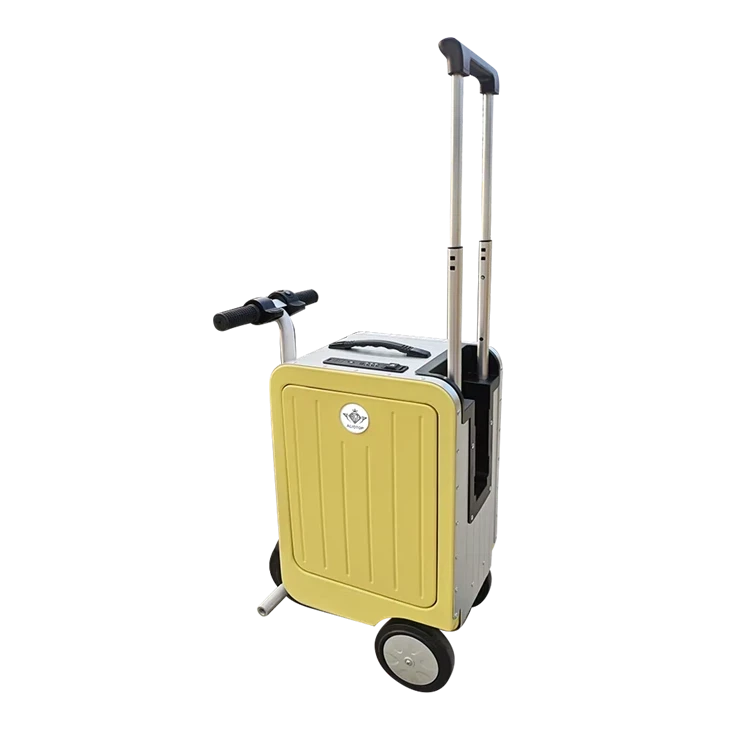
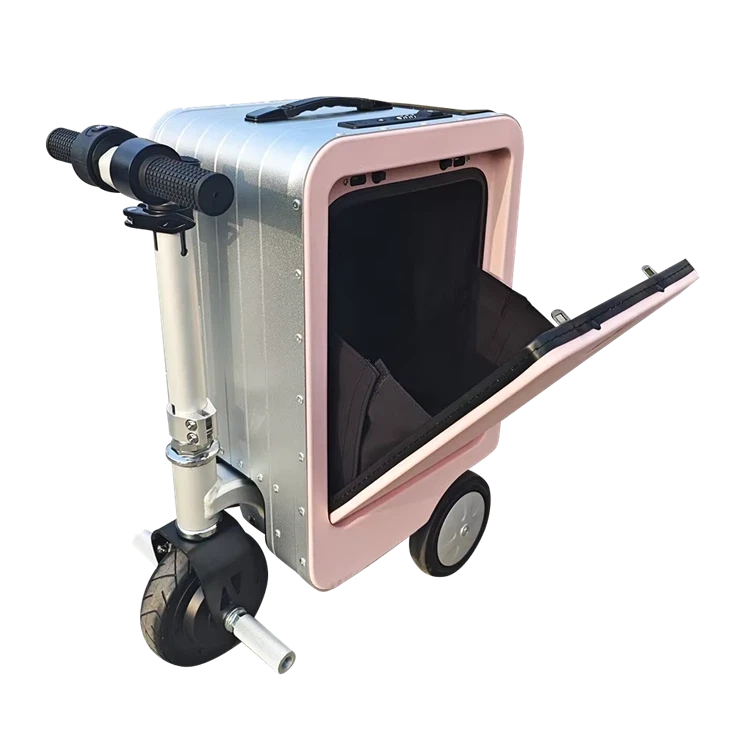
For batteries with a Wh rating between 100 and 160 Wh, special permission from the airline is required. These higher - capacity batteries are often found in more powerful smart electric suitcases, such as those with a strong motor for the ride - on function. Travelers need to contact the airline in advance, explain the situation, and obtain approval.
Batteries with a Wh rating above 160 Wh are strictly prohibited from being carried on planes, either in carry - on or checked luggage. If your smart electric suitcase has a battery with an extremely high Wh rating, you will not be able to bring it on board at all.
Size and Weight Limits
In addition to battery regulations, airlines also have size and weight limits for carry - on luggage. The standard size limits vary from airline to airline, but generally, carry - on luggage should not exceed certain dimensions, such as 22 inches x 14 inches x 9 inches (56 cm x 36 cm x 23 cm). Smart electric suitcases can be bulkier than traditional suitcases due to the addition of motors and other components. Therefore, it is crucial to check the size of your specific smart electric suitcase and compare it with the airline's requirements.
Weight limits are another factor. Most airlines allow a maximum of 7 - 10 kilograms (15 - 22 pounds) for carry - on luggage. Our Electronic Digital Portable Luggage Weighing Scale can be a useful tool to ensure that your smart electric suitcase, along with its contents, stays within the weight limit. If your suitcase exceeds the weight limit, you may need to either transfer some items to your checked luggage or pay an additional fee.
Physical Integrity and Safety
Airport security also pays close attention to the physical integrity and safety of smart electric suitcases. These suitcases should not have any visible damage, especially to the battery compartment or the wiring. Any signs of wear, tear, or internal damage may cause the suitcase to be denied boarding. Airlines are concerned about the risk of short - circuits or overheating, which could pose a safety hazard on the plane.
It is recommended that travelers thoroughly inspect their smart electric suitcases before heading to the airport. Make sure all the electronic components are functioning properly and that there are no loose parts. If your suitcase has any issues, it's better to get it repaired or replaced before your trip to avoid potential problems at the airport.
Special Features and Considerations
Some smart electric suitcases come with additional features that may require special consideration. For example, if your suitcase has a built - in GPS tracker, you need to make sure it complies with international aviation regulations. Although most GPS trackers operate at frequencies that are not likely to interfere with the aircraft's systems, it's still a good idea to check with the airline.
The ride - on function is a unique feature of some smart electric suitcases. While it may seem convenient, during the flight, you need to ensure that the suitcase is packed in a way that the ride - on mechanism does not get damaged and that it does not pose a risk to other passengers or the aircraft.
Tips for Traveling with Smart Electric Suitcases
- Research in advance: Before booking your flight, check the specific regulations of the airline you are flying with. Look for information on battery limits, size and weight restrictions, and any special requirements for smart electric suitcases.
- Contact the airline: If your suitcase has a battery with a Wh rating between 100 and 160 Wh, or if it has unique features that you are unsure about, contact the airline well in advance. Provide them with detailed information about your smart electric suitcase, including the battery specifications and any special functions.
- Carry necessary documentation: Keep the user manual and battery specifications of your smart electric suitcase with you. This can be helpful if airport security has any questions about the suitcase.
- Prepare for inspection: Airlines may conduct additional inspections of smart electric suitcases. Be prepared to open your suitcase and provide access to the battery compartment if required.
Conclusion
In general, it is possible to carry a smart electric suitcase on a plane, but it depends on several factors. By understanding the battery regulations, size and weight limits, and ensuring the physical integrity of your suitcase, you can increase your chances of a smooth boarding process.
As a supplier of Smart Electric Suitcases, we offer a wide range of products that are designed to meet the needs of modern travelers. Our Outdoor Portable Luggage and Electric - Powered Wheeled Carry - on Luggage are carefully crafted with safety and convenience in mind. We understand the importance of compliance with airline regulations, and our products are designed to adhere to the strictest standards.
If you are interested in purchasing our smart electric suitcases or have any questions about our products, we welcome you to contact us for procurement and negotiation. We are committed to providing you with the best travel solutions and high - quality products.
References
- International Air Transport Association (IATA) Dangerous Goods Regulations
- Federal Aviation Administration (FAA) Guidelines on Lithium - Ion Batteries in Aircraft
Send Inquiry